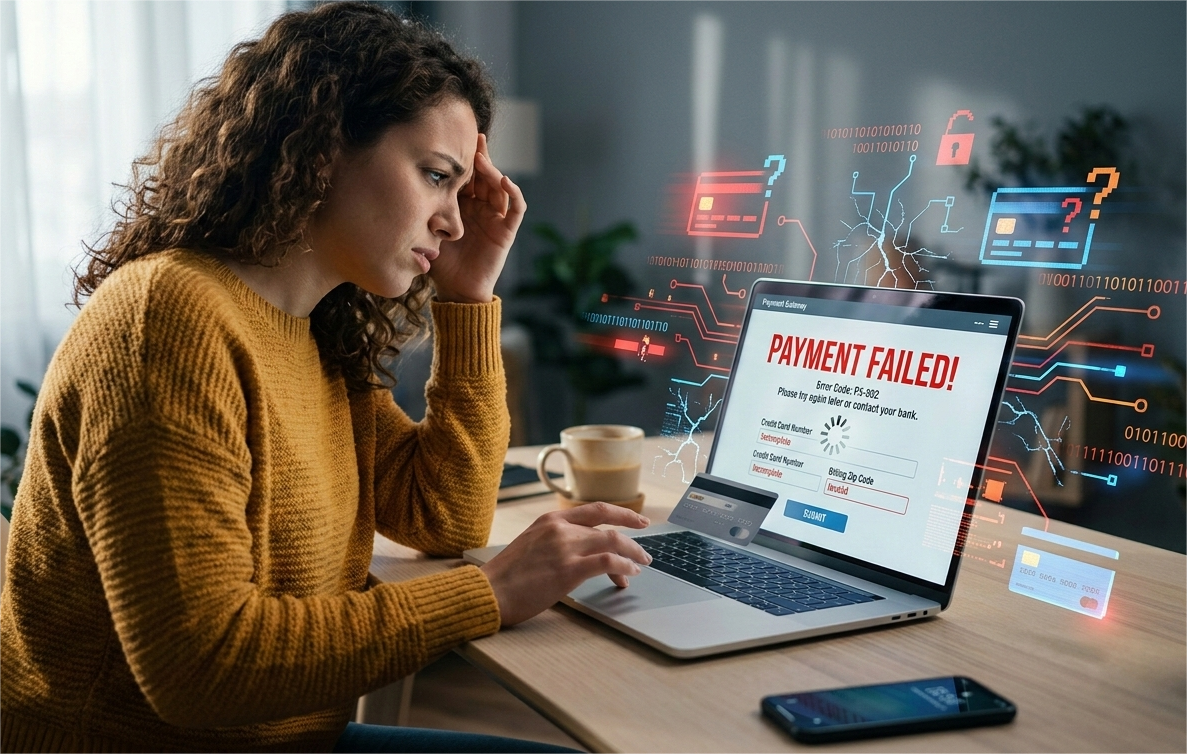
Imagine you're online shopping, you find the perfect pair of shoes, you go to checkout, you enter your information, and then... "Your payment cannot be processed." You try again, and again, but it keeps failing. You're frustrated, and you eventually give up and find a different online store. This is a common scenario, and it's all too often caused by a payment glitch.
Payment glitches are a widespread problem in the world of e-commerce. They can happen for a variety of reasons, and they can be incredibly frustrating for both customers and merchants. In this article, we'll explore some of the most common causes of payment glitches and discuss how they can be prevented and resolved.
Common Causes of Payment Glitches:
- Technical Issues: This is the most common cause of payment glitches. It can include things like server problems, software bugs, and network issues.
- Insufficient Funds: A customer's account may not have enough money to cover the purchase. This is a simple issue, but it can be frustrating for both parties.
- Incorrect Information: A customer may enter their credit card number, expiration date, or security code incorrectly. This can also happen if the customer's billing address doesn't match the information on file with their bank.
- Fraud Detection: Banks and payment processors have sophisticated systems to detect and prevent fraud. Sometimes, these systems can mistakenly flag legitimate transactions as fraudulent.
- System Outages: Occasionally, the entire payment processing system may go down. This is rare, but it can have a major impact when it happens.
Impact of Payment Glitches on Merchants:
Payment glitches can have a significant negative impact on merchants. They can lead to:
- Lost Sales: When a payment fails, the merchant loses a sale. This can have a major impact on their revenue.
- Customer Frustration: Payment glitches can frustrate customers and make them less likely to return to the online store in the future.
- Negative Reviews: Frustrated customers are more likely to leave negative reviews, which can damage a merchant's reputation.
- Increased Customer Support Costs: Merchants may have to deal with an influx of customer inquiries and complaints related to payment failures.
How to Prevent and Resolve Payment Glitches:
- Choose a Reliable Payment Gateway: The most important thing a merchant can do to prevent payment glitches is to choose a reliable payment gateway. This gateway is responsible for processing credit card transactions, so it's important to choose one with a good reputation and a track record of uptime.
- Test Your Payment System Thoroughly: It's important to test your payment system thoroughly before you go live. This will help you to identify any potential problems and resolve them before they impact customers.
- Keep Your Software Updated: Make sure to keep your payment processing software updated to the latest version. This will help to prevent security vulnerabilities and other issues that could lead to payment glitches.
- Monitor Your Payment Processing Logs: Keep an eye on your payment processing logs to identify any patterns of payment failures. This can help you to pinpoint the root cause of any problems and take steps to resolve them.
- Provide Excellent Customer Support: If a customer encounters a payment glitch, make sure to provide them with prompt and helpful customer support. This will help to reduce their frustration and increase the likelihood that they will return to your online store.
Conclusion:
Payment glitches are a common and frustrating problem in the world of e-commerce. They can have a significant negative impact on both customers and merchants. However, by taking the time to understand the causes of payment glitches and implementing the tips above, merchants can minimize the risk of these glitches occurring and resolve them quickly and efficiently when they do.