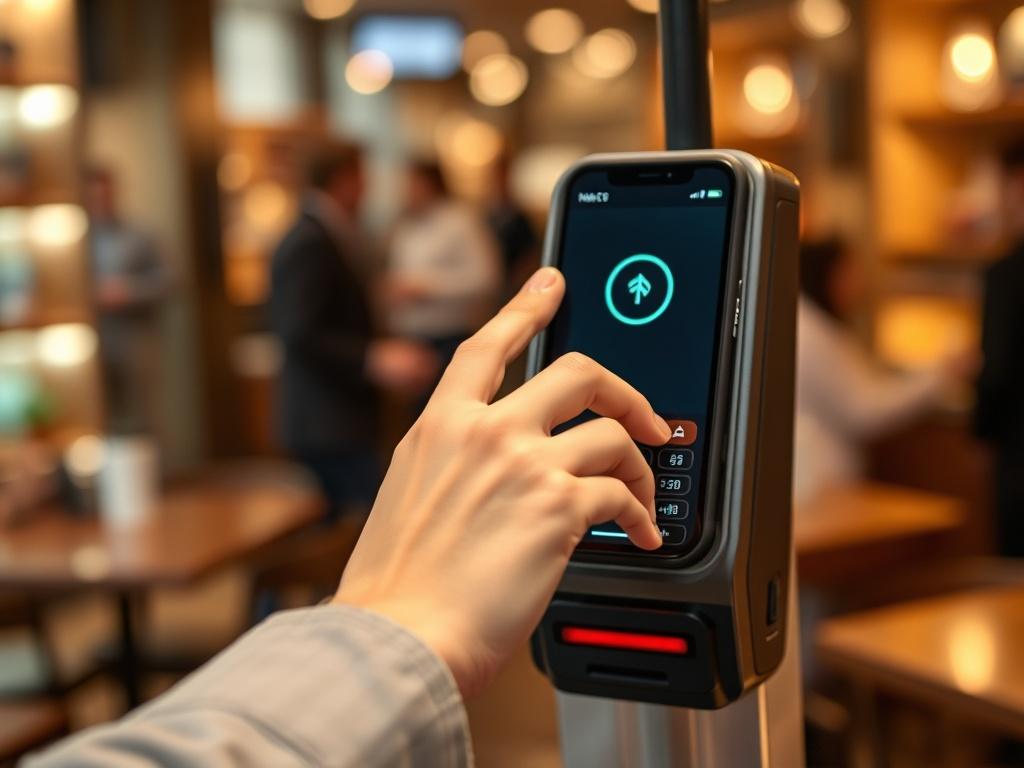
In the blink of an eye, the way we pay has transformed dramatically. Remember the days of rifling through wallets, swiping cards, and waiting for a receipt? That’s rapidly becoming a relic of the past, thanks to the rise of contactless payments. Today, the simple ‘beep’ of a successful tap signifies not just a transaction but a revolution in how we engage with commerce. As we charge toward 2026, the 'Tap-to-Pay' phenomenon has emerged as the gold standard, redefining convenience and efficiency. It's not merely about speed; it's about meeting the expectations of a tech-savvy consumer base that demands seamless, frictionless experiences.
As businesses navigate this new landscape, understanding the implications of contactless technology becomes crucial. Contactless transactions complete in under 15 seconds, significantly enhancing customer turnover in busy settings like cafes and transit stations. Additionally, the psychology of a quick, easy payment encourages impulse purchases, driving revenue growth. This blog post delves into how contactless methods, from wearables to mobile wallets, are not only shaping consumer preferences but also setting a new benchmark in security and customer satisfaction.
The need for speed and revenue
In today’s fast-paced world, efficiency is key to satisfying customers and driving revenue. Contactless transactions have revolutionized the payment landscape, enabling customers to complete their purchases in under 15 seconds. This remarkable speed is particularly beneficial in high-traffic environments like cafes, transit stations, and retail outlets, where every second counts. Businesses can now serve more customers per hour, significantly improving their bottom line. The sheer convenience of tapping to pay means customers enjoy a seamless experience, leading to higher transaction volumes and increased customer loyalty.
The psychology behind the tap is equally compelling. Research indicates that when payment feels effortless, customers are more inclined to make spontaneous add-on purchases. As lines move quickly and payments are completed with a simple touch, consumers feel empowered to indulge in that extra snack or quick impulse buy without hesitation. This frictionless payment experience not only bolsters revenue but also enhances overall customer satisfaction, fostering a positive atmosphere that keeps customers coming back for more. Embracing contactless payment methods today can be the catalyst that propels your business into the future of retail.
Beyond the card: The rise of wearables and wallets
In 2026, payment methods have evolved far beyond the traditional plastic card. Smartwatches and biometric rings are redefining how we approach transactions. These wearables enable users to pay with a simple swipe of their wrist, merging convenience with technology seamlessly. Consumers are embracing these innovative tools as they not only streamline the purchasing process but also enhance accessibility. With just a glance at their wrist or a gentle tap, customers can complete transactions in mere seconds, eliminating the need for fumbling through wallets or bags.
Mobile wallets are fast becoming the transaction method of choice, capturing over half of global point-of-sale transaction volume. Leading solutions like Apple Pay, Google Pay, and niche Super Apps are driving this shift, allowing users to store multiple payment options securely on their devices. This digital transformation caters to modern consumer demands for speed and efficiency, making it easier than ever to make purchases directly from smartphones. As the landscape of payments continues to change, businesses must adapt by integrating these technologies to meet customer expectations and stay competitive in an increasingly tech-driven market.
Security: Why 'tap' is safer than 'swipe'
When it comes to payment methods, security is a paramount concern for both consumers and businesses. With tap-to-pay technology, you can rest assured that your sensitive information is protected. Unlike traditional card swipes, which expose actual card numbers during transactions, tap-to-pay employs a process called tokenization. This means that when you make a payment, the system generates a unique, one-time token that is transmitted to the merchant. This token is essentially useless to hackers, as they cannot use it to access your actual card information. Therefore, every time you tap, you're enjoying an extra layer of protection that is absent in conventional swipe methods.
Moreover, the proliferation of biometric authentication further enhances security for tap-to-pay transactions. Most mobile wallets, such as Apple Pay and Google Pay, require biometric verification—like FaceID or fingerprint recognition—before a payment is processed. This adds a significant barrier against fraud, ensuring that even if someone gains access to your phone, they cannot easily make purchases without your explicit consent. In an era where data breaches are increasingly frequent, the combination of tokenization and biometric backing positions tap-to-pay as the safe choice for consumers who prioritize both convenience and security in their transactions.
© 2026 PayOpe | All Rights Reserved
PAYOPE TECH LTD Registration Number: HE477580
Registered Office: P. LORDOS CENTER, BLOCK B, Floor 2, Flat/Office 203, Makariou III & Vyronos, 3105 Limassol, Cyprus
Stay updated on our news and events! Sign up to receive our newsletter.